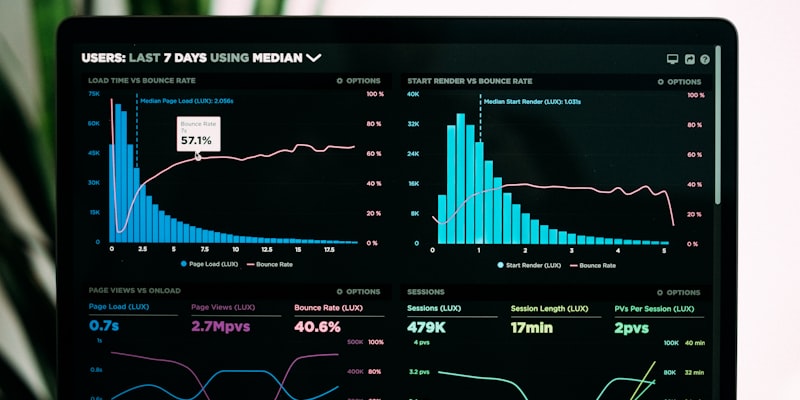
Tracking bets in Excel vs using an app: which is better
Excel works until it doesn't. With 200 bets, one badly copied cell can distort months of data without you noticing.
Excel as a starting point
Many people begin tracking their bets in Excel. It's an accessible and flexible tool.
It lets you customise columns, formulas and adapt tracking to your style.
Limitations of Excel over time
This can affect the quality of your analysis.
Track your bets, analyse your real yield and manage your bankroll with data, not intuition.
Try StakeMaster free →Advantages of a dedicated app
They enable automatic metric calculation, history organisation and clearer result visualisation, especially when you want to read metrics like yield, ROI and CLV.
This makes it easier to make data-driven decisions.
Which option to choose
Excel can be enough in an early phase. However, when the goal is improving your operations, having structured data makes the difference. Also when you need to calculate yield, compare tipsters, or analyse how much margin you're paying per bookmaker with a reliable foundation.
Frequently asked questions
Yes, Excel is a fine base for recording your first few dozen bets. But as volume grows, manual errors pile up, formulas get complicated and maintaining consistency takes too much effort. That's where a dedicated tool saves you time.
In most cases yes, especially if the app includes automatic metric calculation, advanced filters, evolution charts and tracking by sport or tipster. The main advantage is eliminating manual maintenance and reducing data errors.
It depends on the app, but many allow CSV import. The important thing is that your spreadsheet has clear, consistent columns (date, odds, stake, result) so the import is clean and you don't lose information in the process.
If you want to centralise your bets and analyse your performance without relying on manual spreadsheets, you can do it from StakeMaster.
Start tracking for free →